
Common Retinal Diseases Explained: From AMD to Retinal Detachment
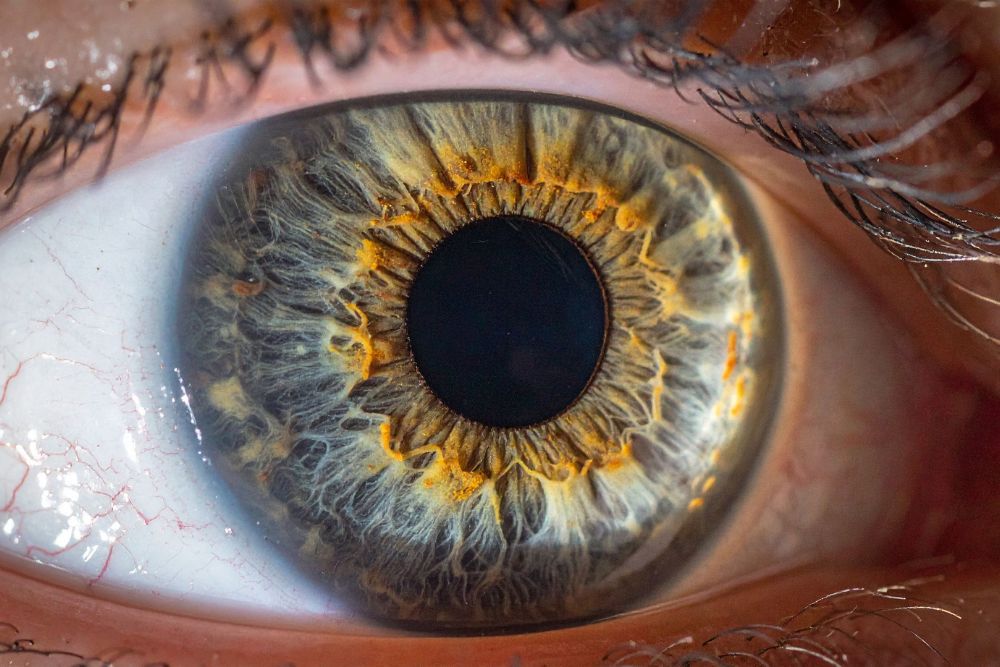
Our vision is one of our most vital senses, but our eyes do more than just help us see; they also serve as important indicators of our overall health. Among the various factors that can affect our vision, retinal diseases are among the most critical. From age-related macular degeneration (AMD) to retinal detachment, these diseases can have profound effects on our sight. Understanding these conditions and when to see a retina specialist can empower you to take charge of your eye health and protect your vision for years to come.
1. Age-Related Macular Degeneration
AMD is a progressive condition that affects the macula, leading to a loss of central vision. It is particularly common in older adults and can be categorized into dry and wet types, each requiring different management approaches.
AMD typically doesn’t cause symptoms until the condition has advanced, making it important to keep up with regular eye appointments. When symptoms become noticeable, they may include:
- Wavy or distorted vision
- Central vision loss
- Blurry vision
- Difficulty recognizing faces
- Need for brighter light
- Reduced color perception
2. Diabetic Retinopathy
This serious complication of diabetes occurs when high blood sugar damages the blood vessels in the retina. Like AMD, diabetic retinopathy may not have noticeable symptoms at first, but if left untreated, it can lead to severe vision loss.
Symptoms include:
- Blurry vision
- Dark spots or floaters in the field of vision
- Poor night vision
- Impaired color vision
- Sudden vision loss
3. Retinal Tears and Detachment
A retinal tear occurs when there is a rip in the eye's light-sensitive tissue. This can allow fluid to seep behind the retina, potentially leading to a retinal detachment, which is a medical emergency where the retina lifts away from the back wall of the eye. If you experience symptoms of a retinal tear or detachment, it’s crucial to seek medical attention as soon as possible.
Symptoms include:
- Sudden increase in floaters
- Sudden flashes or streaks of light
- Curtain-like shadow moving across the field of vision
- Sudden decreased or blurry vision
- Peripheral vision loss
4. Retinal Vein Occlusion (RVO)
RVO occurs when a vein in the retina becomes blocked, which can lead to vision impairment. This condition can be caused by several factors, including high blood pressure and diabetes.
Symptoms include:
- Sudden blurriness, distortion of central vision, or blind spots in one eye
- Vision loss
- Floaters
- Retinal swelling (macular edema)
- Eye pain or pressure
5. Macular Edema
Macular edema develops when excess fluid builds up in the macula, the area responsible for sharp, detailed vision. This swelling can occur due to various underlying conditions and may affect one or both eyes.
Symptoms include:
- Blurry central vision
- Wavy or distorted vision
- Blank or dark spots in the field of vision
- Colors appearing faded or washed out
- Difficulty reading or seeing details
When to See a Retina Specialist
If you experience sudden vision changes, such as flashes of light, a curtain effect, or an increase in floaters, seek medical attention immediately, as these could indicate serious retinal issues. Regular eye exams are also crucial for early detection and management of retinal conditions, especially for those with a family history of eye diseases or higher risk factors like diabetes and high blood pressure.
For a retinal exam, consider the expert team at Retina Consultants of Southern Colorado. Our physicians utilize advanced tools and treatments to accurately diagnose and treat a wide range of retinal conditions. We proudly serve patients at our locations in Colorado Springs North, Colorado Springs Central, and Pueblo. Contact us today to schedule an appointment.