
What Happens During a Retina Exam?
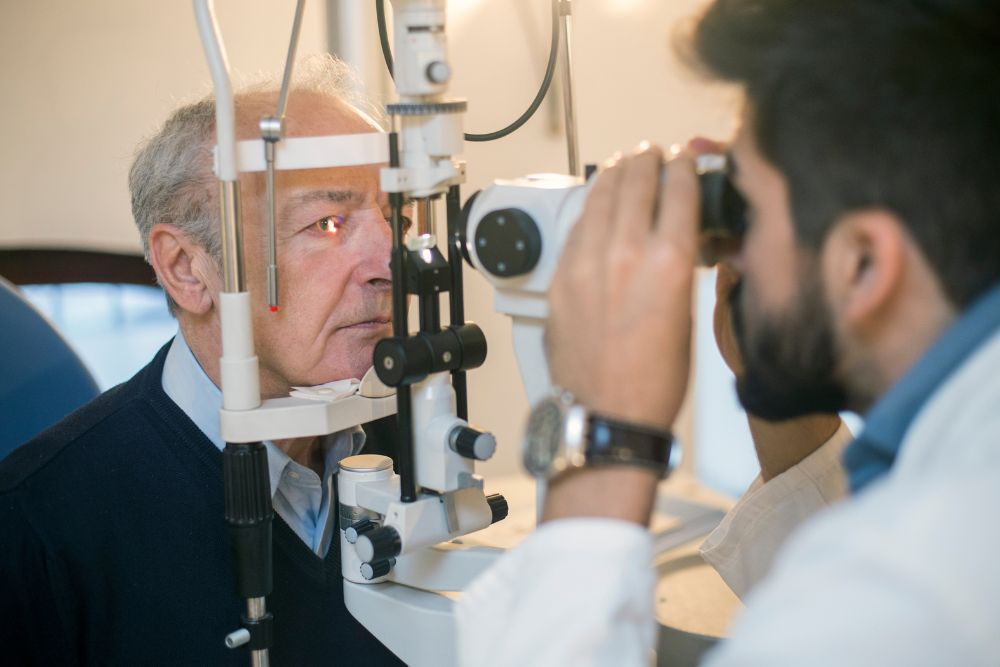
Caring for your eyes is vital for overall health, and one of the most important steps you can take is to schedule a retina exam. This essential examination plays a key role in detecting various retinal diseases that, if left untreated, can jeopardize your vision and even lead to blindness. By prioritizing this check-up, you not only safeguard your eyesight but also enhance your long-term eye health, ensuring a brighter future for your vision.
The Purpose of a Retina Exam
A retina exam allows eye care professionals to examine the back of the eye, including the retina, optic disc, and blood vessels. The primary purpose of this exam is to diagnose and monitor various retinal diseases, such as diabetic retinopathy, macular degeneration, and retinal detachment, among others.
Regular retinal exams are essential for everyone, not just those with known eye conditions. Many individuals may not show any symptoms, but risk factors, such as age or a family history of eye diseases, can significantly increase the chances of developing retinal issues. For example, patients with diabetic retinopathy might not notice vision problems until the condition has advanced.
Retinal Exam Procedures and Diagnostic Tools
During a retinal exam, a healthcare professional will first take a detailed medical history and ask about any vision problems or symptoms you may be experiencing. Then, you’ll be seated comfortably, and the physician will utilize diagnostic tools to assess your eye health, including:
- Dilatation: This process involves using eye drops to widen the pupils, allowing the doctor to examine the retina and optic nerve for any signs of disease or damage.
- Optical coherence tomography (OCT) imaging: OCT imaging provides detailed cross-sectional images of the retina, revealing its layers and enabling early detection of retinal disease.
- Retinal photography: This technique captures high-resolution images of the retina and is useful for documenting changes over time and for monitoring ongoing eye conditions.
Retinal exams are quick and painless, typically lasting only a few minutes. Following the exam, your vision might be blurred for a short while due to the dilation drops, so it's advisable to have someone with you if you're driving.
The Importance of Regular Retina Exams
Regular retinal evaluations are crucial for patients at risk of developing eye conditions, particularly those with diabetes, hypertension, or a family history of eye disease. These exams enable early detection of potential issues, allowing for timely intervention to prevent vision loss. By prioritizing consistent eye examinations, patients can monitor their retinal health and receive personalized guidance to effectively manage their risks. Ultimately, proactive eye care is essential for maintaining long-term vision and overall quality of life.
If you're ready to schedule a retinal exam, turn to the expert team at Retina Consultants of Southern Colorado. Our physicians utilize advanced tools and treatments to accurately diagnose and treat a wide range of retinal conditions. We’re proud to serve patients at our locations in Colorado Springs North, Colorado Springs Central, and Pueblo. Contact us today to schedule an appointment.